War Never Changes (But This Article Might Make You Smile)
Jan 21st '26 12:07pm:
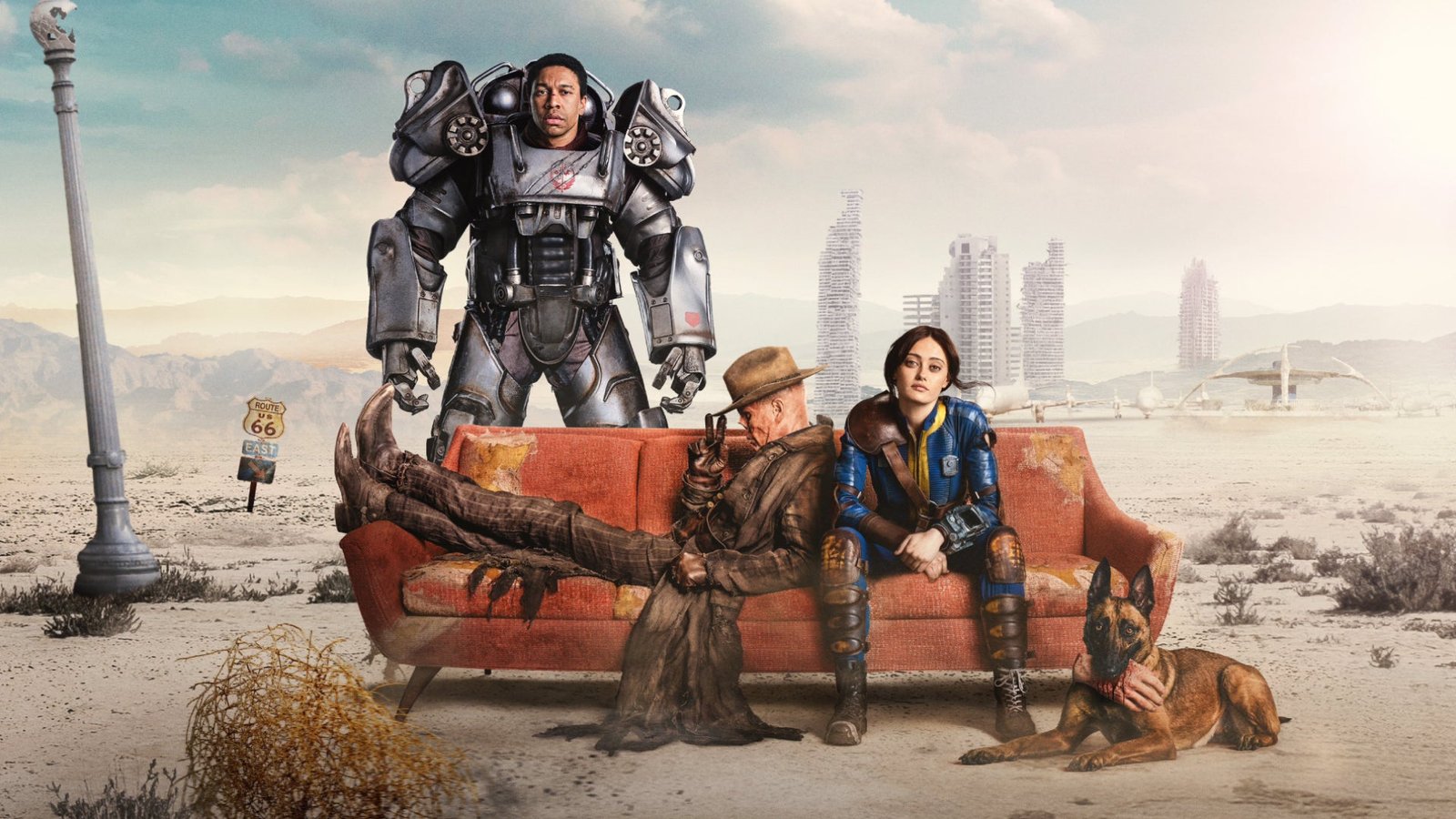
Let me start with a confession. When I first heard they were making a Fallout TV show, my reaction wasn’t hype. It was more like that slow squint you do when someone tells you they’re rebooting something you love. You want to believe. You really do. But experience teaches you to be careful.
And yet… here we are.
The Fallout show didn’t just survive that initial skepticism, it walked straight through it wearing a Vault-Tec jumpsuit and somehow made it feel natural. Not perfect, not sacred, but alive. And a big part of why it works has less to do with explosions or Easter eggs and more to do with a strange, almost accidental human thread that’s been running through Fallout since the very beginning. Ron Perlman.
## Fallout Before It Was Cool, or Even Mainstream
Fallout started its life in 1997 as a weird, ambitious RPG that didn’t quite fit anywhere. It wasn’t heroic fantasy, it wasn’t clean sci-fi, and it definitely wasn’t optimistic. It was cynical, funny in a dry, uncomfortable way, and obsessed with the idea that humans don’t really learn from their mistakes. We just upgrade the machines we use to repeat them.
What tied all of that together was the intro narration. Calm. Grave. Almost documentary-like. That voice didn’t shout at you. It didn’t hype you up. It simply stated facts about the end of the world as if it were inevitable. And that voice belonged to Ron Perlman.
At the time, it meant very little. One voiceover session. A modest paycheck. Forty dollars and a sandwich, by his own account. No one involved thought they were creating one of the most recognizable opening lines in video game history.
That’s important to remember, because it explains a lot about how Perlman relates to Fallout even now.
## Ron Perlman, the Most Famous Non-Fan in Gaming
Here’s the part people always find funny, and honestly, I get why. Ron Perlman never played Fallout. Not the first one, not the sequels, not the modern Bethesda-era games. He’s been very open about that, and not in a defensive way. More like genuine bemusement.
In interviews with GQ and PC Gamer, he talks about Fallout the way someone might talk about a distant relative who became wildly successful overseas. He knows it’s big. He knows people care deeply. But the internal mechanics, the lore debates, the fandom energy… it’s all a bit mysterious to him.
And somehow, that distance makes his connection to Fallout feel more authentic, not less.
He wasn’t trying to “be iconic.” He wasn’t crafting a legacy. He showed up, did the work, and moved on. The world decided the rest.
## The Fallout Show Chooses Respect Over Imitation
One of the smartest things the Fallout TV series does is avoid direct adaptation. It doesn’t retell Fallout 3 or New Vegas or Fallout 4. It exists alongside them. Same universe, different story.
That choice matters. It frees the show from the impossible task of pleasing every fan’s memory of a specific questline while still letting it tap into the tone that makes Fallout Fallout. The retro-futurism. The absurd brutality. The quiet horror of realizing the apocalypse didn’t erase human flaws, it just removed the pretense.
Watching the show, you can feel that it understands the franchise emotionally, not just aesthetically. And that’s why Ron Perlman’s eventual appearance hits harder than a simple cameo should.
## When the Voice Finally Gets a Face
Ron Perlman appears in the series as a super mutant. Not a named character pulled from the games. Not a wink-wink recreation. Just a presence.
He rescues a ghoul in danger and takes him to an isolated church in the desert. The scene isn’t flashy. It’s tense. Quiet in that Fallout way where violence always feels one bad decision away. His character is ideological, not just physical. He doesn’t believe in coexistence. He believes something is coming.
For longtime fans, recognition is instant. For newcomers, it still works. That’s the key. The moment doesn’t depend on nostalgia to function, but if you have that history, it adds a layer you can feel in your chest.
It’s the narrator stepping inside the world he used to describe from a distance.
## Why This Isn’t Just Fan Service
It would be easy to dismiss Perlman’s appearance as pure fan service. But that misses the point. Fan service usually screams “remember this?” This doesn’t. It just exists.
There’s a quiet poetry in the fact that the man who spent decades explaining Fallout’s worldview now embodies it physically. Especially since he’s never claimed ownership over it. He doesn’t posture as a superfan. He doesn’t perform reverence. He treats it like what it is to him: another role, done well, in a long career.
That humility mirrors Fallout’s own tone more than any lore reference ever could.
## Why Fallout Still Works in 2025
The reason Fallout translates so well to TV now isn’t nostalgia alone. It’s timing. The franchise has always been about systems failing, corporations lying, and society convincing itself that everything is under control right up until it isn’t.
That hits differently when you’re watching it instead of playing it. You’re not in control. You’re just observing. And that distance makes the satire sharper, not softer.
The show understands that Fallout isn’t about the apocalypse. It’s about the aftermath. The normalization of disaster. The way people rebuild the same structures that broke them in the first place.
That’s why that old line still works. War never changes. Because people don’t.
## A Less Robotic Way to Answer the Questions People Keep Asking
People usually want clear answers, so let’s do this without turning it into a copy-paste FAQ block.
Yes, Ron Perlman is in the Fallout show. It’s brief, but it matters.
Yes, he’s the original narrator from the games, going all the way back to 1997.
No, he still hasn’t played Fallout, and no, that doesn’t seem to bother him at all.
No, the show doesn’t adapt a specific game, and that’s very much on purpose.
And yes, that iconic phrase is still part of Fallout’s DNA, even when it’s not spoken out loud.
## Why This All Feels Weirdly Human
What I like most about this whole story is how unplanned it feels. Fallout didn’t become iconic because someone engineered it to be. Ron Perlman didn’t become the voice of a generation of gamers because he chased that status. The TV show didn’t succeed because it followed a checklist.
It worked because enough people involved understood the tone, respected the audience, and didn’t try to overexplain the magic.
Sometimes that’s all you need.
## Sources
https://www.yahoo.com/entertainment/tv/articles/does-fallout-game-actor-play-080000516.html
https://www.gq.com/story/ron-perlman-fallout-games-legend-finally-showed-up-on-fallout
https://www.pcgamer.com/games/rpg/ron-perlman-says-he-did-the-fallout-intro-for-usd40-and-a-sandwich-hes-never-played-it-and-hes-not-interested-in-trying-the-whole-fallout-thing-is-a-mystery-to-me/