Silent Hill Is Back And It’s Not Knocking First
Jan 17th '26 6:05am:
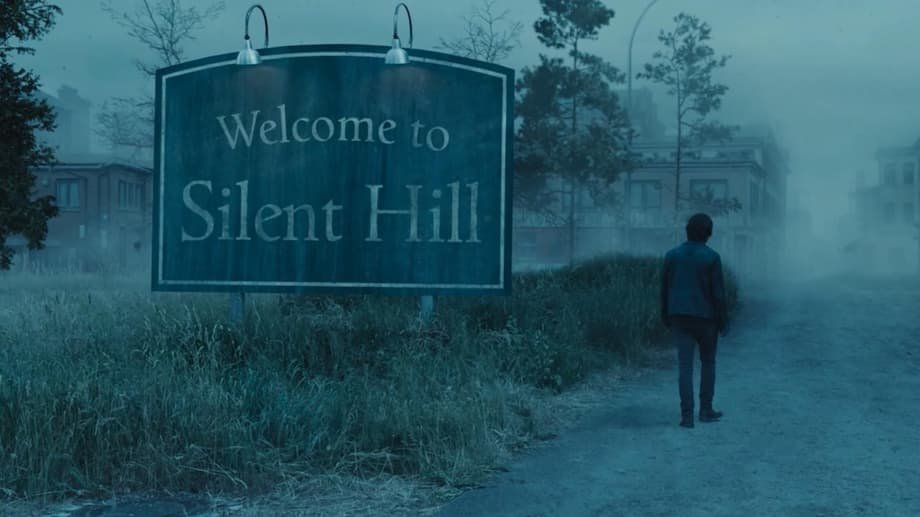
There’s something interesting happening around Silent Hill right now. This doesn’t feel like just another movie coming out, and it’s definitely not a standard video game adaptation situation. What’s forming around *Return to Silent Hill* feels more deliberate than that. Almost like an attempt to recreate that old, uncomfortable feeling the series was always good at. Not jump scares, not noise, but that slow unease that sticks with you.
And the most important part is this: it all starts long before anyone sits down in a movie theater.
## When the marketing starts behaving like Silent Hill
The promotion for *Return to Silent Hill* stands out precisely because it’s quiet. Instead of flooding timelines with trailers and clips, Cineverse chose something far more restrained and, honestly, much more on brand. An Alternate Reality Game that doesn’t announce itself as a game, doesn’t explain the rules, and doesn’t really care if you’re confused at first.
The site youliveherenow.com is the clearest example of this approach. It’s not friendly. It doesn’t guide you. It doesn’t explain what you’re supposed to do. It exists as a strange, broken space full of fragments, distorted messages, and sensory elements that feel more emotional than informative. That’s not an accident. Silent Hill has always pulled people in without explaining itself.
What really stands out is that this campaign doesn’t seem designed to go viral. It’s slow. It requires patience. It pushes people to talk to each other, compare notes, and piece things together collectively. In a world built around instant engagement, that’s a risky choice, but one that fits Silent Hill almost too well.
## Bringing Silent Hill out of the screen and into the real world
The partnership with GameStop takes this idea even further. In select stores, mysterious digital messages began appearing as part of the film’s campaign. These aren’t standard promotional displays or obvious ads. They’re narrative fragments that only fully make sense when you connect them to the broader experience.
That changes the dynamic completely. You don’t walk into a GameStop to “participate in marketing.” You stumble into it. And that matters. Silent Hill has always been about horror creeping into familiar spaces, places that are supposed to feel normal until they don’t anymore.
There’s also a deliberate connection between these stores and nearby theaters showing the film. This doesn’t feel accidental. The idea seems to be turning the journey toward the movie itself into part of the experience. Fans who engage with these activations can unlock physical rewards, like collectible postcards. Small objects, sure, but meaningful ones. Something tangible you carry with you after passing through the fog.
## Christophe Gans is not here for nostalgia
Listening to Christophe Gans talk about *Return to Silent Hill*, it’s clear this project didn’t come out of nowhere. He openly admits he wanted to adapt *Silent Hill 2* years ago, but at the time, he didn’t believe cinema was ready for a story that internal, that emotionally uncomfortable.
*Silent Hill 2* doesn’t offer easy answers. It doesn’t reassure its audience. And Gans seems fully aware that this is both the biggest risk and the biggest strength of adapting it now. In recent interviews, he consistently emphasizes that the focus of the film is psychological, not spectacle.
That philosophy shows up in very concrete decisions. The heavy use of practical effects isn’t just a technical preference. It’s a narrative one. Creatures that physically exist on set, that occupy real space and interact with actors, help preserve the weight and presence Silent Hill needs. This kind of horror works best when it feels tangible.
## Pyramid Head and the mistake this film is trying to avoid
One of the easiest mistakes when adapting Silent Hill is turning its monsters into empty icons. Pyramid Head has suffered from this before, reduced to a recognizable silhouette without the meaning that made him disturbing in the first place.
Gans seems determined not to repeat that error. He’s been very clear that Pyramid Head only exists within the emotional framework of the protagonist. He’s not a generic villain. He’s a consequence. A manifestation of something that needs to be faced.
That approach stays true to *Silent Hill 2* and, more importantly, respects the audience. The film doesn’t want to explain everything, but it also refuses to treat its symbols as decoration.
## A film that needs to stand on its own
Another challenge Gans openly discusses is making the film work for people who have never played a Silent Hill game. That doesn’t mean simplifying the story. It means building a narrative that functions emotionally on its own terms.
He chose one of the darkest endings from the game as the foundation for the film. That choice says a lot. This isn’t a comforting story. There’s no clean redemption arc. It’s about confronting painful truths and living with them. And right now, that kind of story feels more relevant than ever.
## Silent Hill as an ongoing experience
When you look at the ARG, the GameStop collaboration, and the creative decisions behind the film, there’s a clear throughline. *Return to Silent Hill* isn’t meant to be a one night event. It’s designed as an experience that starts early and lingers afterward.
None of this guarantees the film will be perfect. But it does show intent. There’s a genuine understanding of what Silent Hill is, what it represents, and why it still matters.
## Questions that naturally come up after all this
### Why is Return to Silent Hill being promoted so differently
Because the campaign reflects the core identity of the franchise. Silent Hill has always relied on fragmentation, silence, and audience participation rather than direct exposition.
### Do you need to follow the interactive campaign to understand the movie
No. The campaign is an extra layer for those who want to go deeper, but the film is structured to stand on its own.
### Does focusing on Silent Hill 2 mean the rest of the series is ignored
The emotional core comes from *Silent Hill 2*, but the visual language and thematic identity still belong to Silent Hill as a whole.
### Do practical effects really make a difference here
Yes, especially for a story built on physical discomfort and presence. Silent Hill loses impact when it feels too clean or too digital.
### Why does this return feel relevant now
Because audiences today are more open to slow, ambiguous, emotionally heavy stories. Silent Hill has always operated in that space, but it didn’t always find room outside the games.
## Sources
https://variety.com/2026/film/news/return-to-silent-hill-alternate-reality-game-1236632804/
https://www.prnewswire.com/news-releases/cineverse-and-gamestop-invite-fans-to-return-to-silent-hill-with-innovative-partnership-featuring-mysterious-messages-exclusive-rewards-in-store-media--more-302661577.html
https://comicbookmovie.com/horror/return-to-silent-hill-interview-director-christophe-gans-on-adapting-the-classic-silent-hill-2-exclusive-a225990